When someone clicks an ad, they've told you exactly what they want: the offer, the product or the problem in that ad. Sending them to the homepage makes them look for it again.
A page that matches the ad keeps the promise going, and it's usually the cheapest conversion gain an account has. Here's the checklist we use.
1. Match the message in the first screen
The headline should repeat the ad's promise in close to the same words, so visitors know they're in the right place. The first screen should show the offer, the product and one clear action.
How to do it- Put the ad's main promise in the headline
- Show the product or outcome from the ad
- Keep one primary call to action in the first screen
- State the offer (price, discount or trial) exactly as the ad does
2. One page per intent, not per ad
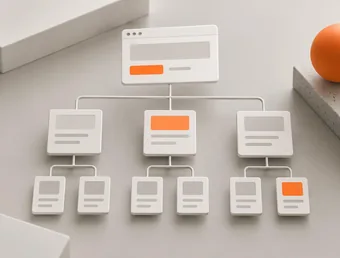
You don't need a page for every ad. You need a page for each distinct intent: a product category, a problem, an audience or an offer. Group the ads that make the same promise and point them at the same page.
How to do it- List your ad groups by the promise they make
- Group those promises into a handful of intents
- Build one page per intent
- Update the ad links so each points at its intent page
3. Answer the objections before the form
Visitors from ads usually know less about you than visitors from search. Put proof and answers where they hesitate: reviews, guarantees, delivery times, pricing and how it works.
How to do it- Collect objections from sales calls, support tickets and reviews
- Answer the top three on the page
- Place each piece of proof next to the claim it supports
- Keep answers short and specific
4. Make it fast on a real phone
Most paid social traffic arrives on phones, often on patchy connections. Every second of loading loses people you've already paid to bring in.
How to do it- Test on a mid-range phone, not on your laptop
- Compress and size images for mobile screens
- Remove scripts and apps the page doesn't need
- Keep pop-ups out of the first screen
5. Measure each page and test one change at a time
A landing page is a hypothesis. Track conversion rate by page and by traffic source, change one thing at a time, and give each test enough traffic to read.
How to do it- Track conversions by landing page and by campaign
- Test the headline and the offer before design details
- Run each test until the result is clear, not until it looks good
- Keep a log of what won and why
Final thoughts
Matching the page to the ad is rarely glamorous, and it's rarely wasted.
Before you raise the budget or rebuild the creative, check where the clicks are landing.
How we write: articles are drafted by the Swifto team with help from AI tools, then checked and edited by the people who run client accounts. We don't publish statistics we can't source.